Placemaking
We care deeply about where we live and we are grateful to be home on Quadra Island after spending time away. Our rural, coastal communities are adapting to new economic opportunities and pressures, as well as housing challenges in different ways. We love to spend time with friends, neighbours, community members and thought leaders from around the world, imagining how architecture, landscape architecture and building practices can support sustainable, healthy living here.
In a project that we’ve been following closely called American Futures, Deb and Jim Fallows interview an individual named Jake Soberal. He summarizes his feelings about the importance of change coming from within and this sentiment resonates with us deeply:
A city has been completely transformed by its own people, not by something rescuing it from the outside, but by its own people demanding something better for itself.
Our passion for placemaking is currently channeled into two primary projects:
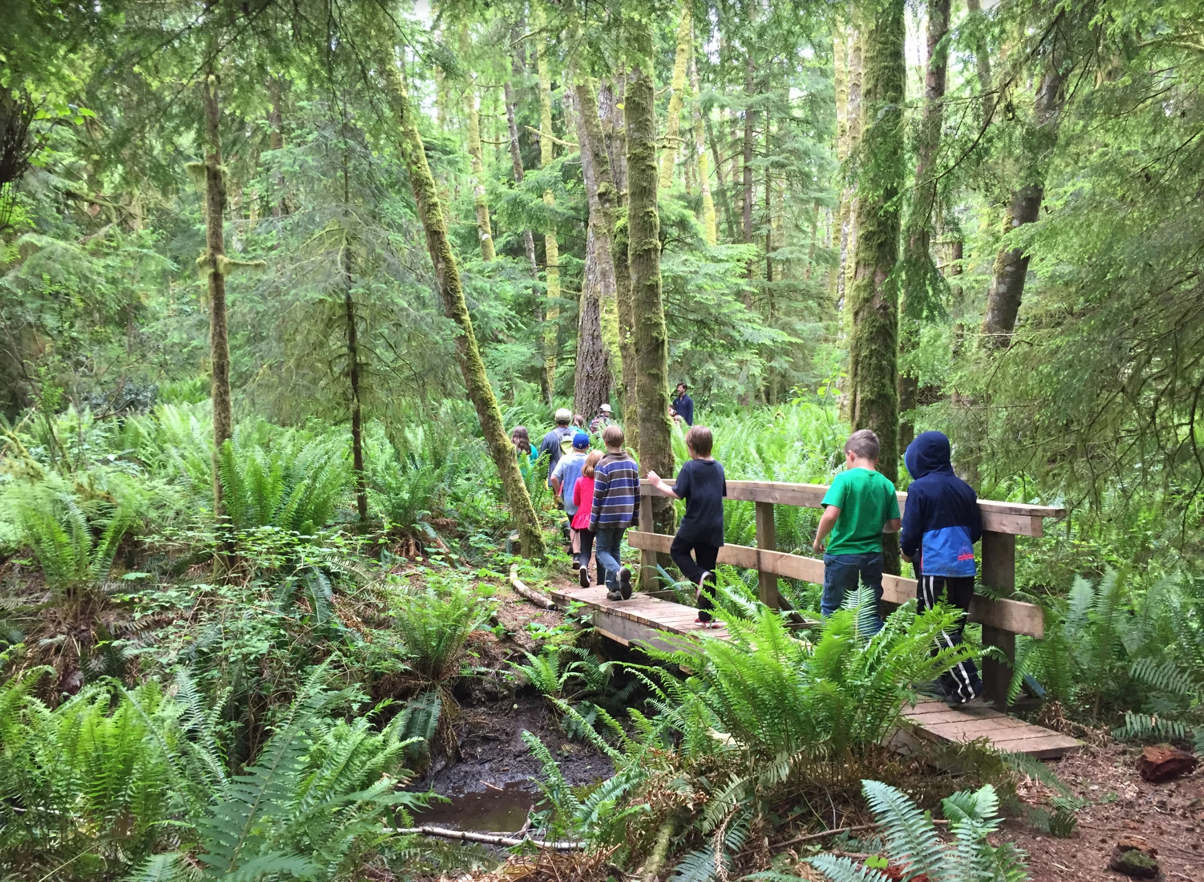
The development of a sensitive, forested area in the heart of the village of Quathiaski Cove on Quadra Island. We are collaborating with locals and inviting outside experts to help us define the values that are important to our community, with an eye towards doing something that is sustainable environmentally, financially and culturally.
The development of an environmentally sensitive, historically agricultural property on the southern tip of Quadra Island. We’d like to do something innovative there that is generative, open with a welcoming, community feel.
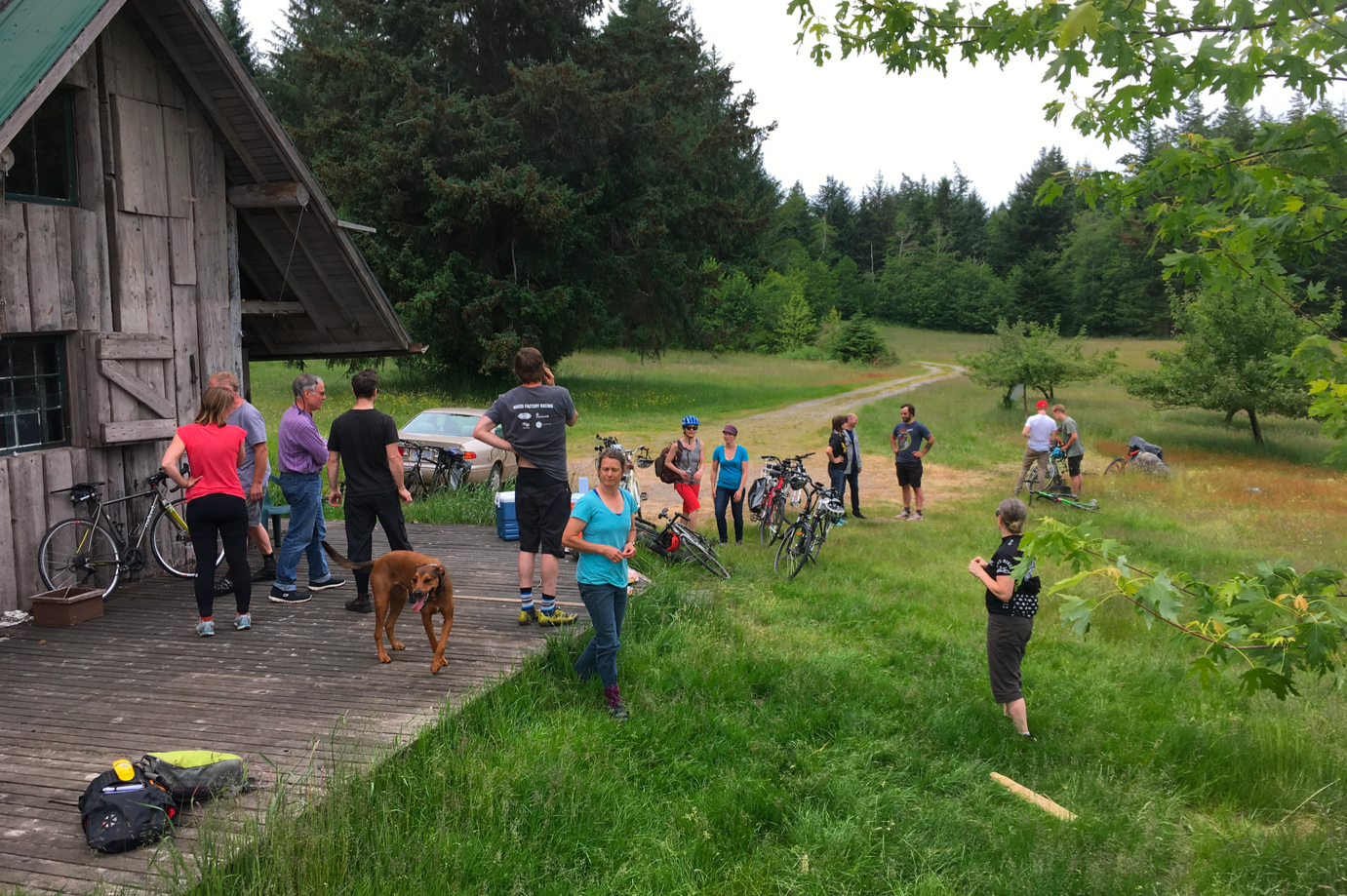
During the summer of 2017, we hosted a series of workshops that were led by Craig Dykers, Elaine Molinar and Mayur Mehta of Snøhetta. They were exceptionally generous with their time. We are grateful for all the shared visioning and learning they helped facilitate with us and all the community participants, and for the beautiful summary which they produced of their time here. We will be sharing that work over the coming months and highlighting many of the individuals and local businesses with whom we collaborated. Read more about the design charette here.
During the Spring Semester of 2019, we’re co-hosting a rural design studio with UPenn and Mayur Mehta of Snohetta. The collaboration has been incredible, so far. We had the pleasure of hosting 13 graduate students at our favourite places on Quadra for over a week. We’ll be writing more about our process and the outcomes of this work over the coming months. Again, so many incredibly talented locals have been involved in making this project a success. We can’t wait to tell you more about it.
Our approach to placemaking
In a recent Net-Zero design submission, Brittany Shalagan, an often collaborator, did a fantastic job responding to an important question about our development goals in Quathiaski Cove. I think the response conveys our approach and attitude toward development and what we hope to achieve through collaboration in the coming years.
Question:
Provide a description of any other benefits associated with the proposed building design (e.g. social well-being, affordability, environmental sustainability, etc.)
Response:
In working to achieve the highest standards of net-zero energy efficiency and housing affordability, we propose a project and a process that exists outside of the typical context of urban housing proposals. By framing our project within the rural context - a locale where global design and sustainable technology practices typically do not have a strong presence, we can first seek to elevate the standards of rural housing. A look through Infrastructure Canada's Investing in Canada Plan Project Map illustrates the overwhelming demand for adequate safe housing and a call for more sustainable communities across BC's rural regions. This is an especially relevant and topical issue to areas like remote coastal settlements, island communities, isolated interior towns and many of BC’s Indigenous communities. We propose a sustainable housing initiative that is rooted in the rural context as a potential solution. Inherent in our design is the agility and scalability of the proposal to be applied in different contexts, while adapting to local materials and practices.
Quadra Island remains the unceded territory of the Laich-Kwil-Tach people and has a population of roughly 3000 year-round residents, which balloons to approximately 5000 during the summer tourism months. The project land lies directly between the de-facto Quathiaski Cove Village centre, the Quathiaski Cove ferry terminal connecting Quadra to Vancouver Island, and the We Wai Kai Nation's lands at Cape Mudge. This central location allows the project to function as a gateway and a meeting place for the entire community. The Quathiaski Village Cove Plan (Bylaw No. 120), penned in 2011, is an exercise in considering the social well-being of the neighbourhood while laying out a guideline for future developments and will be referenced throughout the project's development and execution. This report, revisited through a further community design charette hosted by Study Build in 2017 emphasizes the local demand for comprehensive design solutions that address social well-being, affordability and environmental sustainability. As such, these benefits are essential not only for our proposal but for the community itself, and will be addressed in the following ways:
Social Well-Being
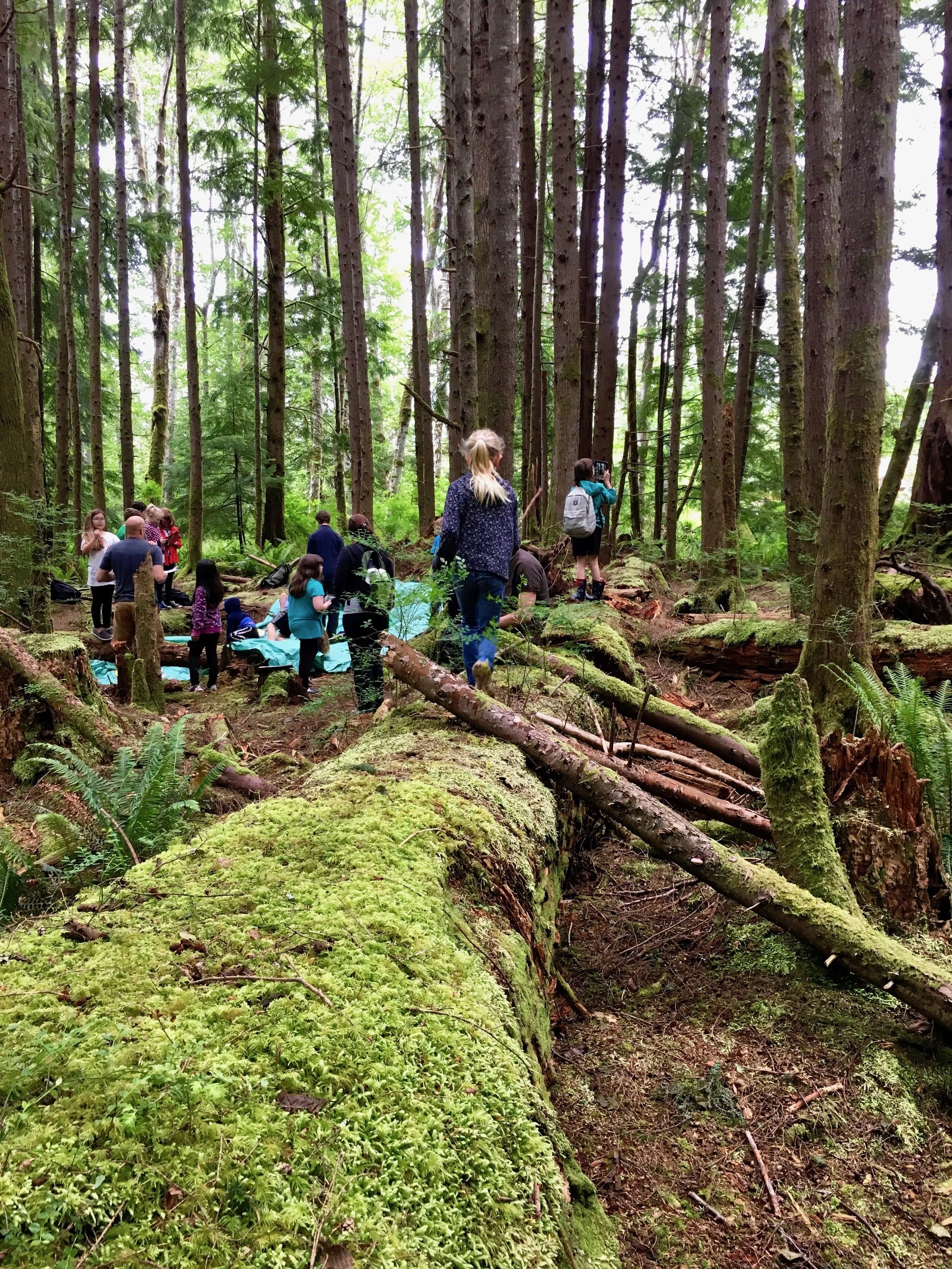
One of the core objectives from the 2011 Village Plan is to strengthen the "sense of place" for the multitude of cultures, demographics, values and beliefs within the Village and the island as a whole. Preference is given to barrier-free design considerations in both the public and private realm. We propose a neighbourhood design that enhances the sense of place on the island and appeals to the rural identity of the community. Integration with, and access to, the surrounding natural landscape is central to the design concept, and is an important indicator of well-being. The intentional folding of the design into the forested landscape and emphasizing views and interaction with the natural elements will play an important role in creating a meaningful sense of place.
An emphasis on a new form of rural multi-family housing seeks to address issues of social isolation through a diverse range of demographics, where elderly can live beside young families, and chance encounters are a regular part of daily activities. In response to the evolving needs of rural communities this project seeks to activate the public realm through an active transportation network, encouraging opportunities for engagement and connection to nearby services on the island.
Affordability
British Columbia’s rural communities are in a state of transition. As natural resource sectors restructure, local benefits from those sources are dwindling, leading to reduced employment opportunities and shrinking populations. In addition, the prospect of a new wave of migration is on the horizon: Disenchanted by the city, young professionals are seeking alternative options for affordable housing and socially-engaged communities provided by BC's rural towns.
The impetus for this housing initiative is a response to the economic realities facing our local community, and many other rural and remote communities across BC. In recent years, increases in real-estate values, paired with demand for seasonal vacation properties has impacted building costs on Quadra Island. As is the case in many communities across the province, this increase is disproportionate to rates of working wages, thus resulting in social and economic inequalities.
As an alternative to the large-area land ownership practices of many rural regions, this project offers a mixed-use multi-family housing typology that will meet the needs of our diversifying community. Aging populations, higher costs of living, and a lack of small-scale housing options for younger families seeking to relocate to the island are making our community non-viable.
ENVIRONMENTAL SUSTAINABILITY & STEWARDSHIP
As recommended in the 2011 Village Plan, strategies for stormwater management, riparian ecosystem protection and topsoil restoration must be presented to the Strathcona Regional District (SRD) in the application process for larger developments in this area. As such it is imperative that the environmental sustainability of this project aligns with the recommendations outlined in local bylaws. Other elements of an environmentally sustainable community design strategy that will be considered include:
Promotion of walking and cycling through an active transportation network, reducing reliance on carbon-based transportation
Promote education and participation in watershed stewardship
Maximize where feasible the use of integrated rainwater collection, filtration and distribution systems
Utilize wastewater heat recovery systems coupled with greywater recycling systems
Minimize impacts from road construction on the site, which can have direct impacts on soil compaction, erosion, and runoff
Connect to and maximize the use of the existing Quathiaski Cove waste treatment facility
Explore the use of on-site and near-site renewable energy technologies such as solar and tidal electricity production, as well as solid fuel cogeneration for district heating networks
Another factor that will define the development as well as the architecture is the need to protect and govern existing water sources. The scarcity of potable water for island communities is a well-accepted reality, and should be factored into any new development in regions where watershed security is a concern. The necessary education for occupants and stewards of the proposed building site is not limited to the function and operation of a passive house, but an exercise in water collection and conservation as well. As a result, our submission is also an architectural reflection of watershed stewardship.